






Nemeshegyi-Horvát György from Hungary
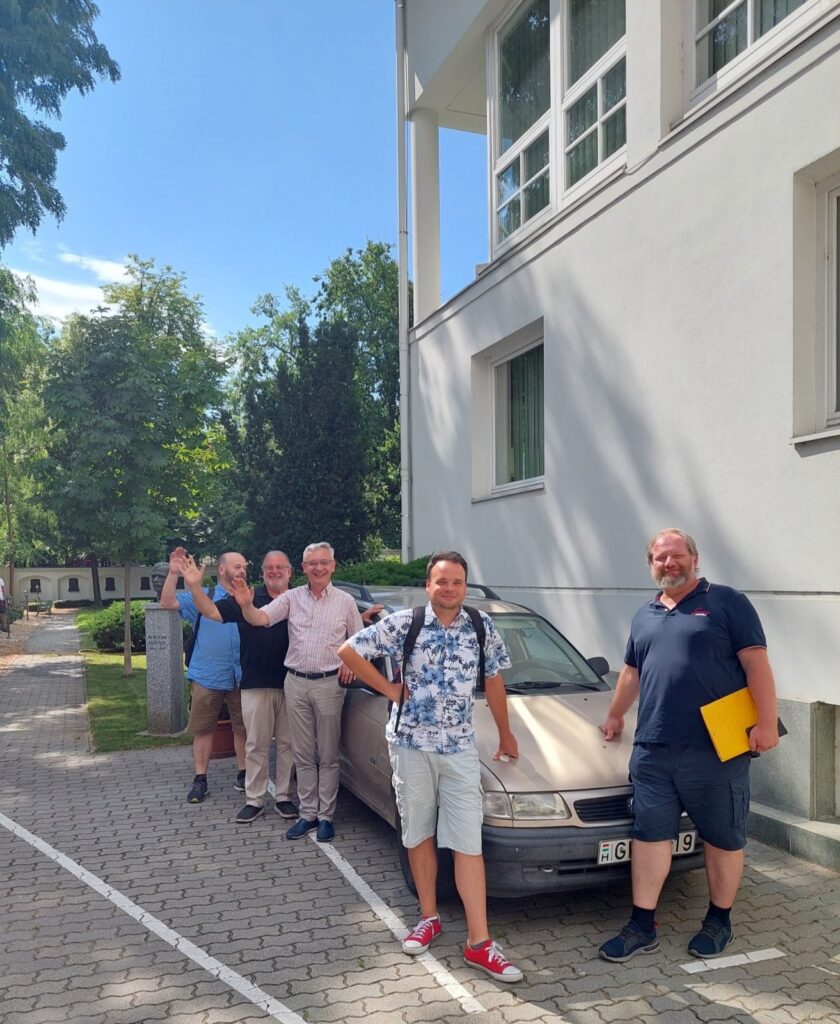
In 2022, my mother-in-law was preparing to send her 1999 Opel Astra F Caravan to the scrapyard. The car had earned its retirement: worn interior, uncertain mechanics, and a long working life behind it. For years it had served faithfully in everyday tasks — sometimes in surprisingly unconventional ways. I had personally seen it transport livestock, including fourteen goats at once, an image that perfectly captured both the vehicle’s resilience and its humble status.
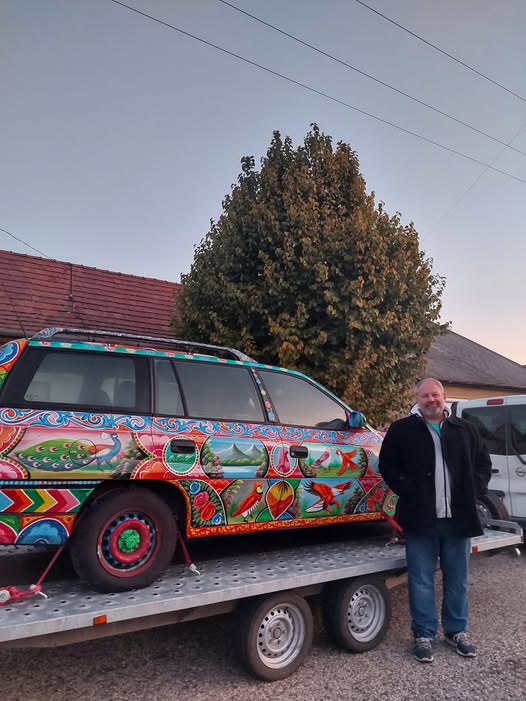
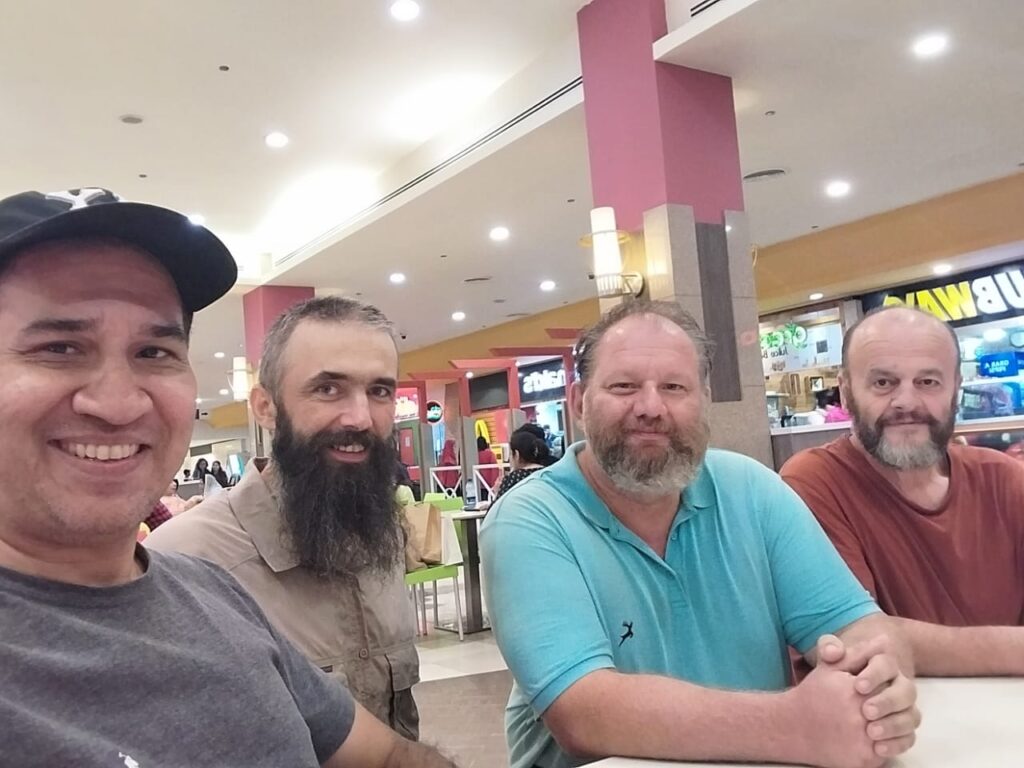
Yet instead of letting the Astra disappear quietly, I decided to repair it and attempt something ambitious with it. What followed was an overland journey of three friends from Hungary to Pakistan (through Serbia, Bulgaria, Turkey and Iran) and back — a route that ultimately stretched to roughly 13,000 kilometers across two continents.
From the outset, the trip tested both the vehicle and the restoration work. The Astra endured demanding border inspections, long stretches of desert roads, and extreme heat reaching 53°C. Road conditions varied widely, from well-maintained highways to remote tracks where the car’s modest design seemed entirely out of place. Still, the Astra persisted, proving that thoughtful maintenance and determined driving can carry even an aging vehicle far beyond expectations.
But the mechanical journey was only the first chapter of the car’s transformation.
A Moving Canvas in Pakistan
“Upon reaching Pakistan, the Astra underwent a defining artistic transformation led by Ali Salman Anchan, the Founder and Creative Director of Phool Patti. Known for his creative vision and ideas. Anchan and his team are celebrated for their ability to translate traditional motifs onto unconventional surfaces.”
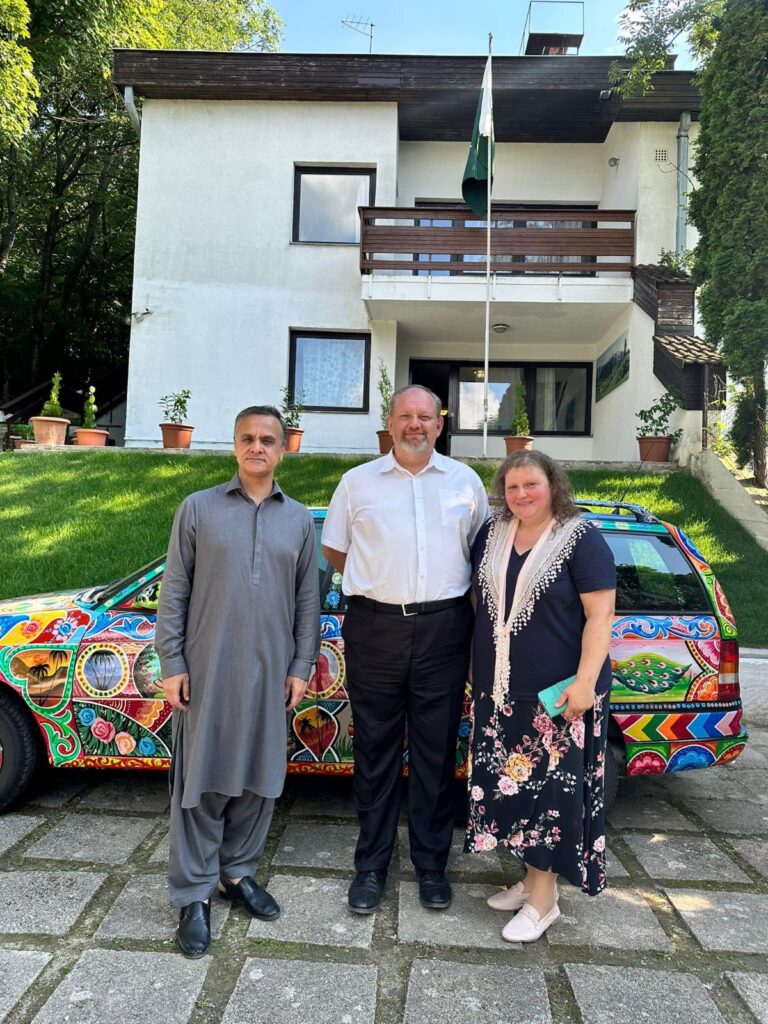
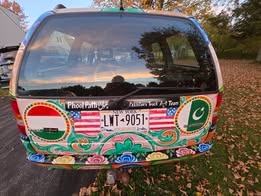
Over four days, Mr. Anchan and his Phool Patti team completely hand-painted the car using brushes rather than spray equipment. Although I was not present during the painting itself, the finished result spoke clearly about the nature of the work. The Astra emerged as a cohesive artistic composition, combining traditional decorative elements, bold yet harmonious color choices, and intricate patterns carefully adapted to the vehicle’s contours.
The quality of execution reflected both artistic creativity and disciplined craftsmanship. The paintwork demonstrated attention to proportion, consistency of detail, and a confident sense of visual rhythm that unified the entire vehicle. The transformation was not merely aesthetic; it changed how people interacted with the car. The former workhorse station wagon had become a moving artwork that invited curiosity and engagement.
Equally noteworthy was the professional context surrounding the Phool Patti project. Communication, organization, and Mr. Salman’s personal hospitality created a collaborative experience marked by reliability and respect for both artistic tradition and client expectations. The result suggested a workshop culture where technical skill and artistic pride operate hand in hand.
The Road Home and Beyond
The return journey demonstrated how effectively Mr. Anchan’s and Phool Patti team’s work translated across borders. In countries where car colors are typically limited to a narrow palette, the Astra’s hand-painted surfaces created an immediate visual impact. Drivers waved, pedestrians smiled, and spontaneous conversations became part of routine stops.
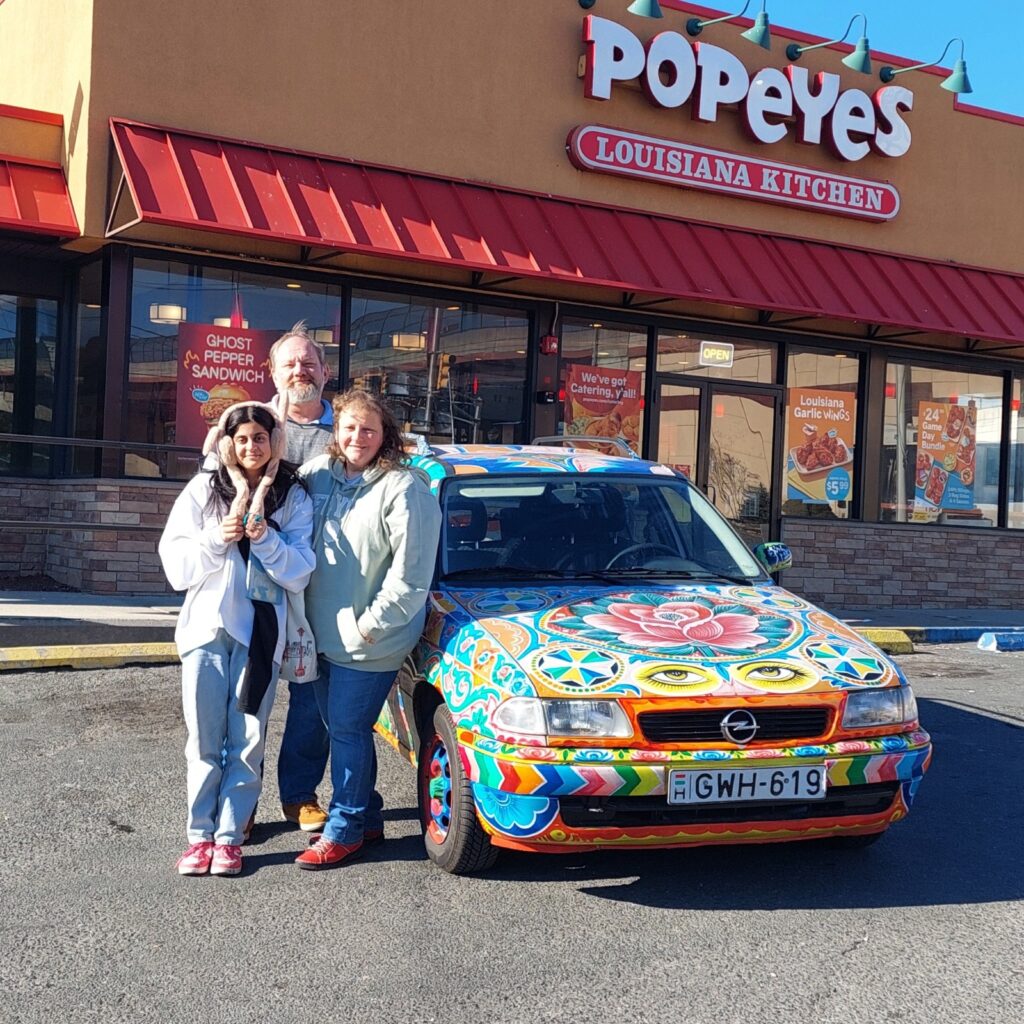
Back in Hungary, the car later entered an entirely new chapter. After being used for a few months at home, it crossed the Atlantic Ocean and continued its travels in North America, where I drove it through diverse locations including the Adirondack Mountains, Canada, Detroit, Chicago, andthrough the American South down to Florida and the Gulf of Mexico. Despite vast differences in cultural and automotive environments, the reaction remained consistent: curiosity, appreciation, and fascination with the vehicle’s artistic transformation.
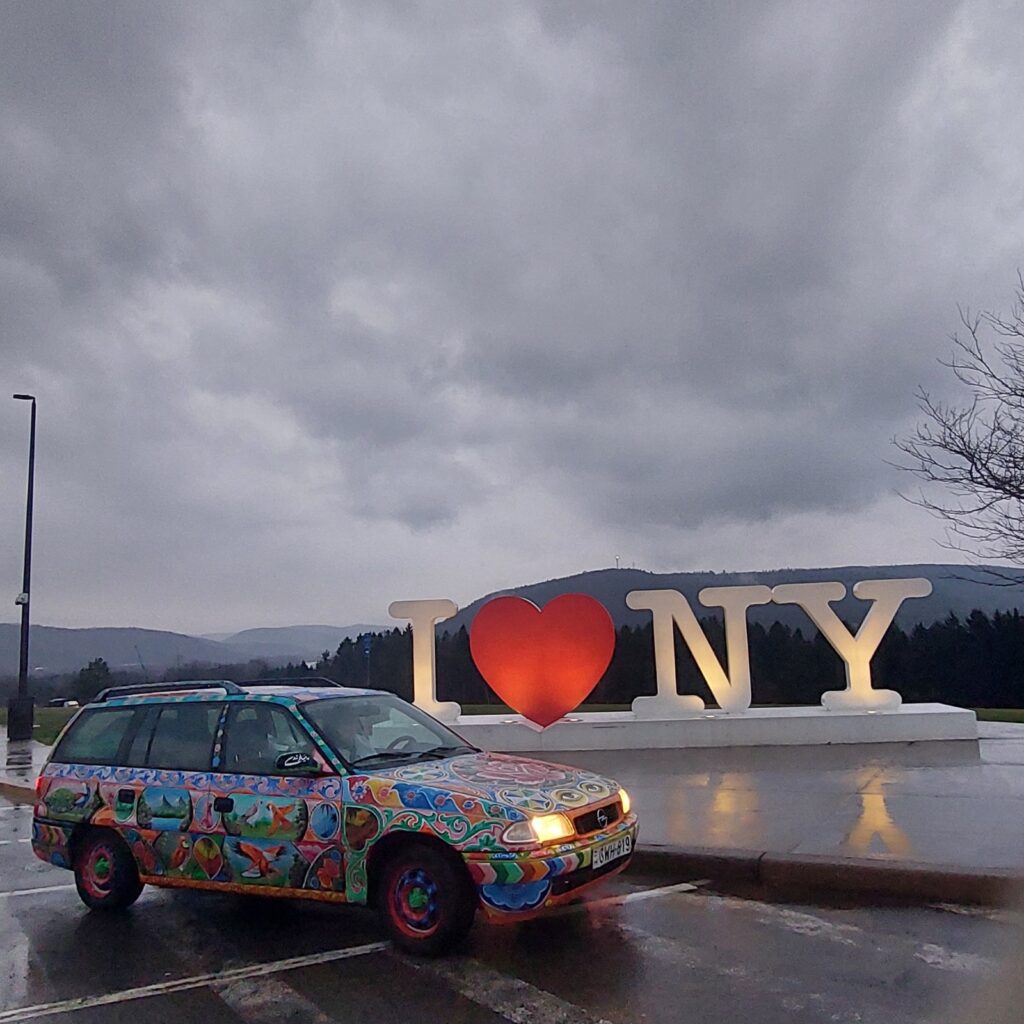
Eventually, the Astra was sold in the United States and the price went into Pakistani charities. The car’s new owner, a florist, incorporated it into daily business operations, where it now transports flowers instead of livestock. With New York license plates and a distinctive aesthetic, the Astra continues to function as both a practical vehicle and a rolling piece of art that attracts attention wherever it appears.
Craftsmanship That Travels
Looking back, the story of this Opel Astra is less about distance than about transformation. The journey demonstrated the endurance of an aging vehicle, but its lasting identity emerged from the artistic intervention that took place in Pakistan.
Central to that transformation was Mr. Ali Salman Anchan and his Phool Patti team. Their work illustrates how traditional hand-painted vehicle decoration can transcend its local context and resonate internationally. The Astra’s continued presence on American roads serves as an unexpected yet fitting testament: a once-discarded Hungarian station wagon now carrying flowers while also bearing the enduring signature of a Pakistani artist whose craftsmanship proved capable of traveling far beyond its original setting.
For those interested in vehicle art that merges cultural authenticity with professional execution, my experience with Mr. Anchan’s Phool Patti workshop offers a clear and practical point of reference.
Dear Mr. Ali Salman Anchan and the whole Phool Patti team,
Thank you for your part in this project! You are making an impact in the world with your art and your hospitality.

Other Articles
India’s hat-trick of wins over Pakistan in Asia Cup 2025



No Comment! Be the first one.